
People

The people of Sanbarikisha, working alongside horses.

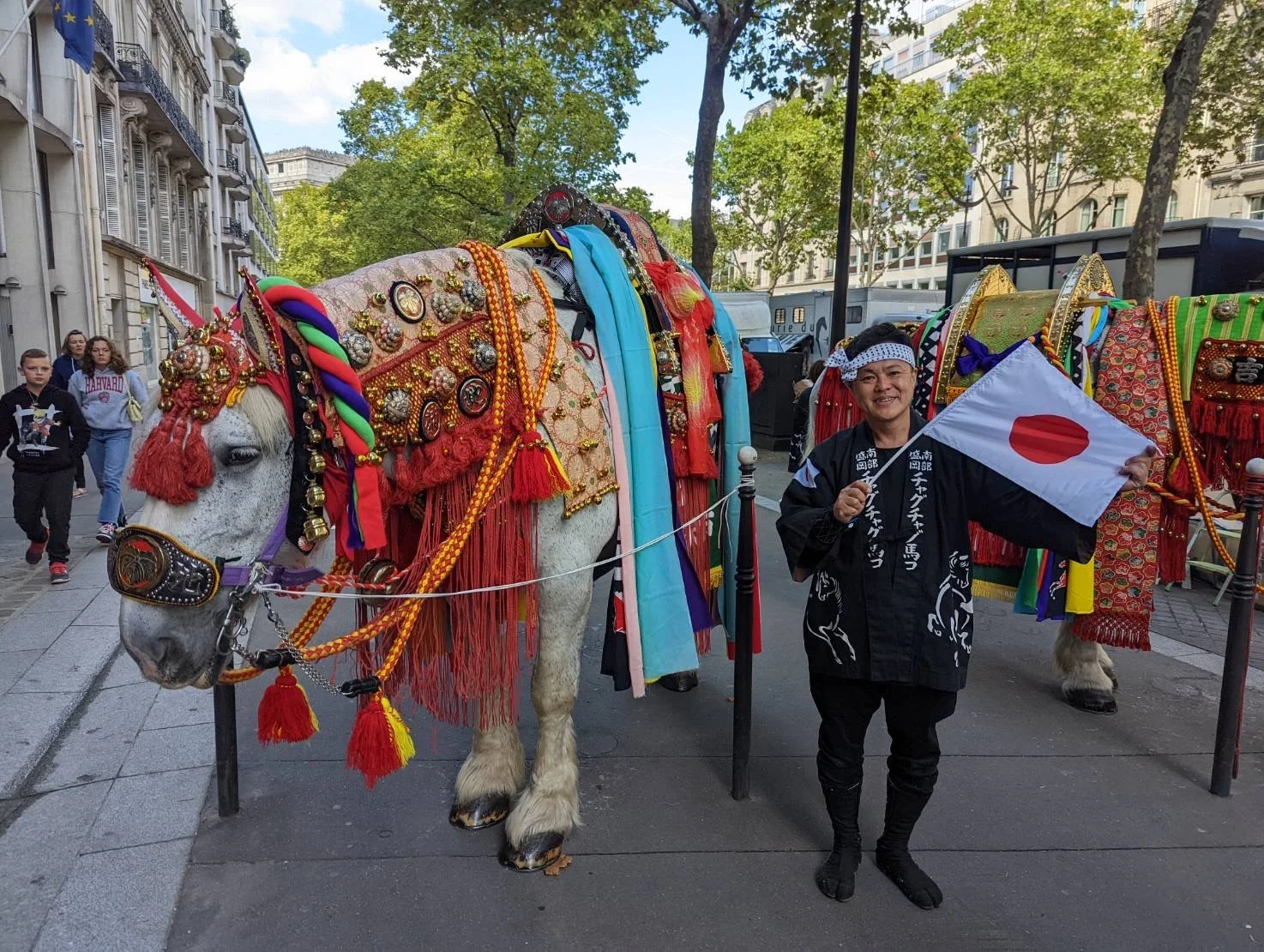
Manabu Suzuki, President
President

Manabu Suzuki

Regional Co-Creation Producer

Born in 1969 in Takizawa Village, Iwate. From the age of 20, he spent several years training racehorses. He then built experience in fields far from horses, including the hotel and restaurant businesses.

The turning point was the Great East Japan Earthquake. On a rented paddy, he began growing rice, teaching himself as he went. Through farm work he came to know the users of a nearby welfare facility, and noticed something: on the days the facility was closed they had nowhere to go, wages were meager, and there were too few opportunities tied to a real sense of purpose. So he set out to create a place that joined agriculture and welfare. In 2014, he opened the general incorporated association Iwate Hidamari Farm (now Manabio).

He went on to serve as head of Studia Inc. and Noble LLC. In parallel, he founded a Chagu-Chagu-Umacco preservation group, devoting himself to activities that combine disability welfare with the preservation of traditional culture.

Horses returned as a central axis of his life through his encounter with Takashi Iwama and Sanbarikisha. With a shift in the company's operations in Iwate, he took office as President. Alongside preserving traditional culture, he organizes domestic workshops—inviting instructors from France to teach how to work with horses and the craft of driving carriages—working to cultivate people and build systems centered on horse culture.
Takashi Iwama, Director
Director

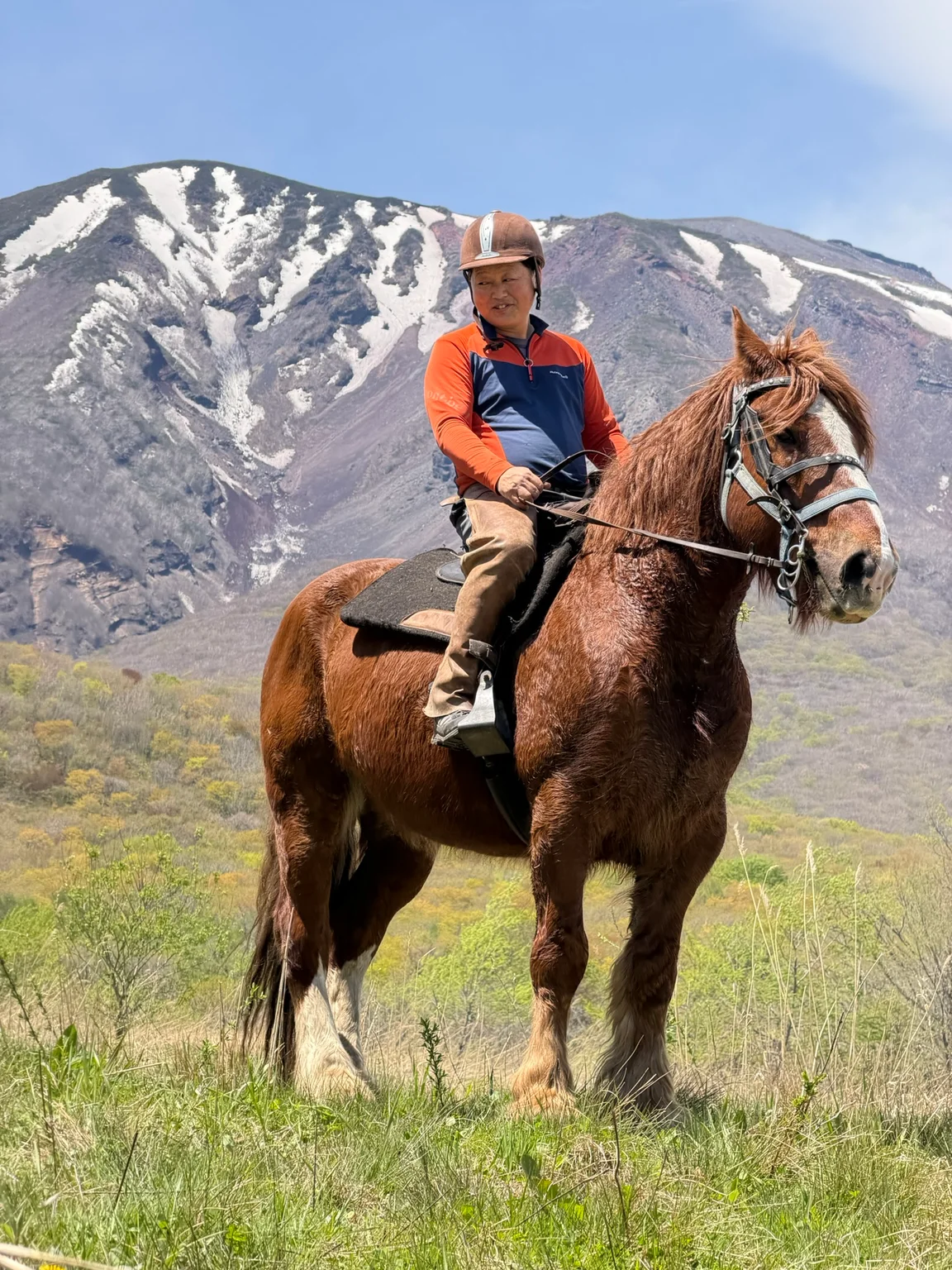
Takashi Iwama

Sustainable Agriculture Trainer

Born in 1978 in Tono City, Iwate. Raised in one of Japan's foremost horse-producing regions, he grew up with horses as a familiar presence. He began riding in high school and, aspiring to become an architect, enrolled at a vocational school in Tokyo—but his passion for horses won out, and he took a job at a Tokyo riding club. He later returned to Tono, taking up the breeding and training of riding horses while also turning to farming and forestry.

It began with a very personal wish: “I want to eat delicious rice.” He tried to cook rice on the old kamado stove at his family home, but that required charcoal. He cut wood from the hill behind the house, only to find that hauling it out of a mountain machines could not enter was a struggle in itself. “Then let's use a horse”—and so began his encounter with horse logging.

From around the age of 20, he studied under two veteran horsemen and mastered the craft. In 2010, he founded the Tono Horse Logging Association and began working to pass on and spread the technique. In 2011, he won the single category at a horse-logging competition held in the United Kingdom. In 2012, he received the Iwate Racing Horse Culture Award and placed seventh in the single category at the European Horse Logging Championship, broadening his activity as one of Japan's leading horse loggers.

Today he also serves as representative director of the general incorporated association Horse Logging Association, devoting himself to instruction and outreach and to passing the craft on to a younger generation. His ongoing technical exchange at Haras du Pin in France is part of that work.

For press, lectures, or performance requests,
please reach us through the Contact page.

Contact